


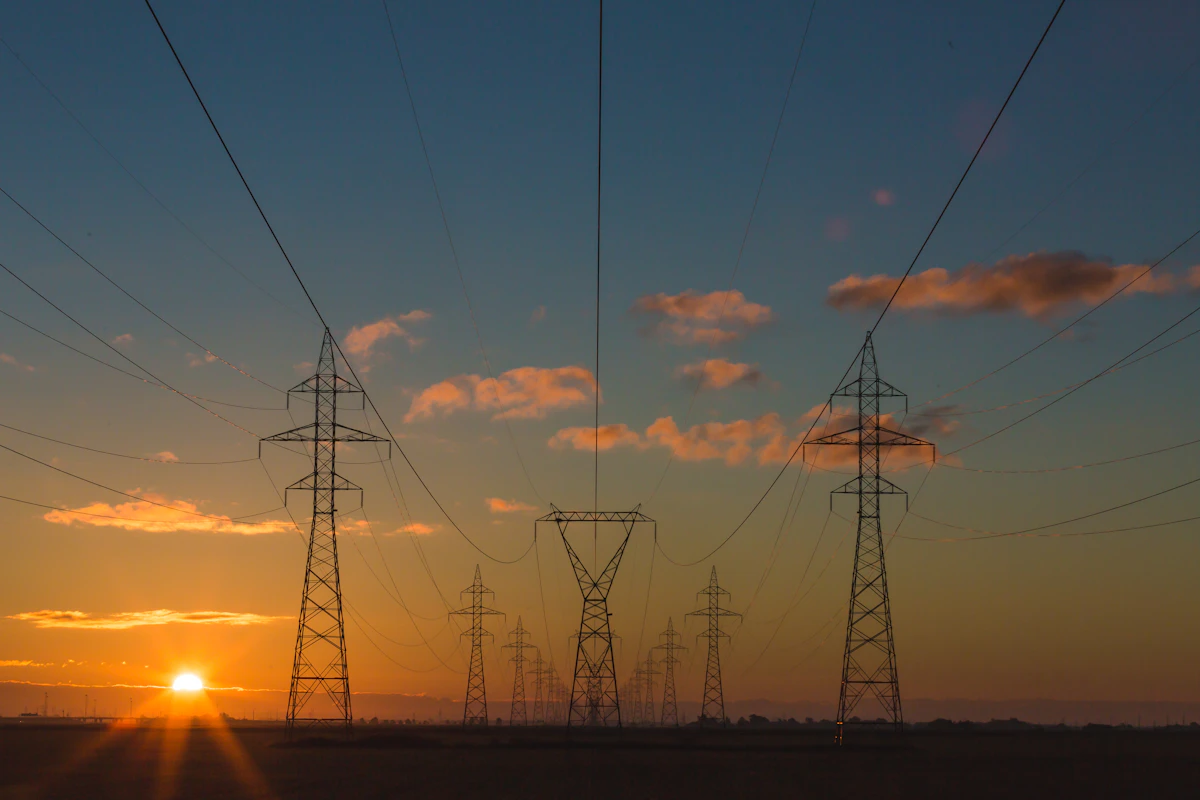
The Hidden Footprint of AI Creativity
Every AI-generated image has an environmental cost. Understanding and minimizing this impact is becoming an important consideration for the industry.
Energy Consumption Breakdown
Where the energy goes:
- Training: Initial model training consumes massive compute resources.
- Inference: Each generation request requires GPU processing.
- Data Centers: Cooling, networking, and infrastructure overhead.
- Data Transfer: Moving images and model weights across networks.
Quantifying the Impact
Estimated environmental costs:
- Training Large Models: 300-1000+ tons CO2 equivalent.
- Per Image Generation: 1-10 grams CO2 depending on model and settings.
- Industry Total: Estimated millions of tons annually as adoption grows.
- Comparison: Single training run can equal lifetime emissions of several cars.
Factors Affecting Efficiency
Variables that influence energy use:
- Model Size: Larger models require more computation.
- Resolution: Higher resolution outputs need more processing.
- Sampling Steps: More denoising steps increase energy.
- Hardware: Newer GPUs more efficient per operation.
- Data Center Location: Grid carbon intensity varies dramatically.
Industry Sustainability Efforts
What companies are doing:
- Renewable Energy: Major cloud providers sourcing green power.
- Efficiency Research: Model distillation and optimization.
- Carbon Offsets: Purchasing credits to neutralize emissions.
- Transparency Reports: Publishing energy consumption data.
Technical Optimizations
Reducing energy per generation:
- Model Pruning: Removing unnecessary parameters.
- Quantization: Using lower precision calculations.
- Caching: Reusing intermediate computations.
- Batch Processing: Efficient handling of multiple requests.
User Actions
How individuals can reduce impact:
- Generate only what you need.
- Use appropriate resolution for intended purpose.
- Choose providers with sustainability commitments.
- Consider lower-step generation for drafts.
Regulatory Considerations
Emerging governance frameworks:
- EU AI Act includes sustainability considerations.
- Potential carbon disclosure requirements for AI services.
- Data center energy efficiency standards.
- E-waste considerations for specialized AI hardware.
Trade-offs and Debates
Balancing considerations:
- AI may replace more carbon-intensive activities (travel, physical production).
- Efficiency gains may be offset by increased usage (Jevons paradox).
- Innovation benefits vs. immediate environmental costs.
- Equitable access vs. limiting consumption.
Future Outlook
Trajectory of AI environmental impact:
- Efficiency improvements continuing but usage growing faster.
- Specialized hardware may improve energy efficiency.
- Renewable energy adoption in AI infrastructure.
- Potential for AI to optimize its own environmental footprint.
Environmental responsibility in AI is both an ethical imperative and increasingly a business consideration. The industry's sustainability choices will shape its long-term social license to operate.
Prefer a lighter, faster view? Open the AMP version.